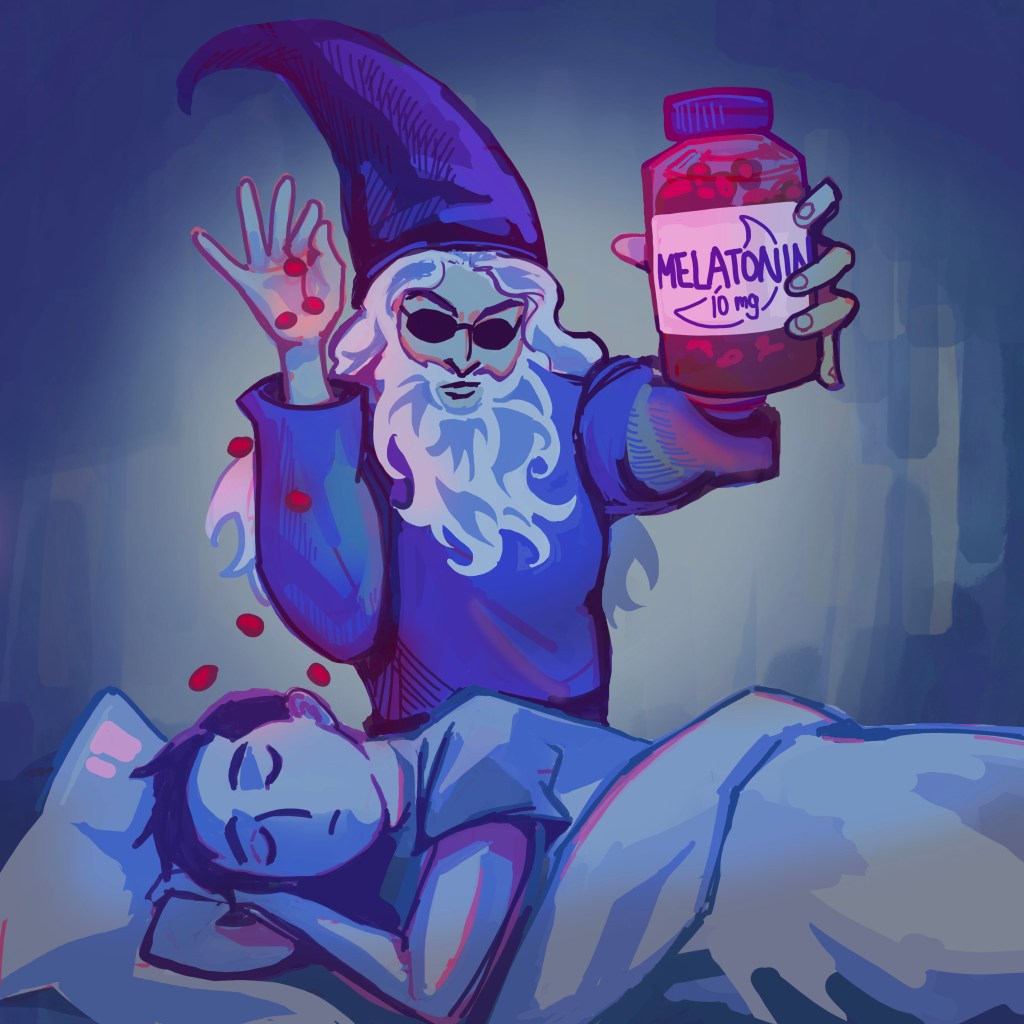
Sleep cycles and the role of melatonin
Mary D. Cundiff, Ph.D.
April 2026
(4 Minutes)
Disclaimer: I am not a medical professional. The information in this article is intended for general information purposes only and should not be construed as medical advice. Always consult a qualified healthcare provider before making any decisions about your health or treatment.
Why do we sleep?
This is a mystery that has eluded researchers for generations. For the most part, we understand that sleep allows for certain biological processes to occur that are seemingly incompatible with being conscious or responsive to our environment. Some of these include, brain maintenance (glymphatic system upregulates waste/metabolic byproduct clearance), memory consolidation (transferring information from short-term to long-term memory), energy restoration (shifting resources toward repair), immune function (ramping up certain immune functions), and emotional regulation (processing of emotional experiences). I am sure you have experienced being cranky when you don’t get enough sleep or needing extra sleep when sick. There are just some things that require our brains to be “offline”. Interestingly, it seems that every animal we’ve studied experiences some form of sleep, suggesting even evolution has never found a way around its essential features.
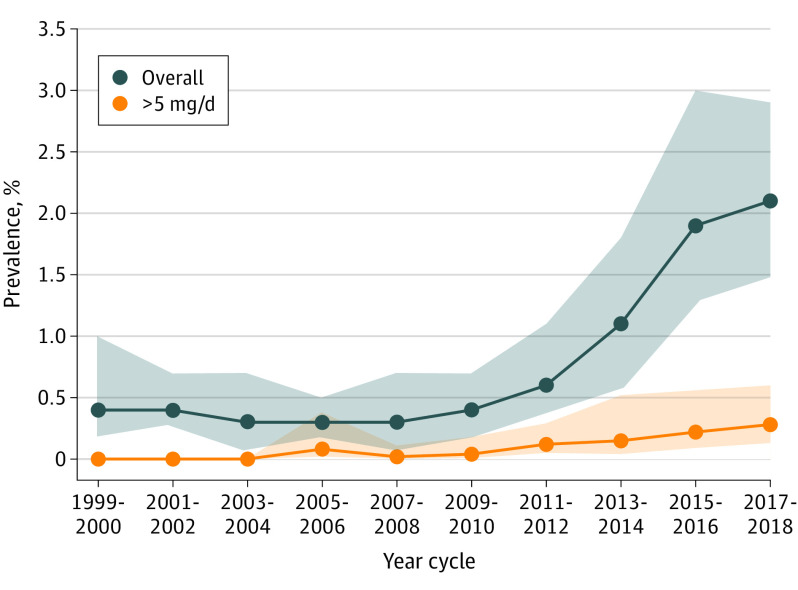
With how important sleep is to our wellbeing, you can imagine how difficult day-to-day life becomes when you are struggling to sleep. Nearly one third of U.S. adults don’t get enough sleep. There are many methods to aid in good sleep, but probably the most popular, at least in recent years, is to take melatonin. In a 2022 study, researchers reported trends from 1999-2018 of participants using melatonin overall and those using more than 5mg per day (Figure 1), showing that use has more than quintupled. So what exactly is melatonin?
Melatonin is a hormone produced by the brain in the presence of darkness, making it a key player in your circadian rhythm, or your body’s 24-hour biological clock (Figure 2). The area of your brain that acts as the “master clock” is the suprachiasmatic nucleus (SCN). In the absence of light, the SCN signals for melatonin production within the pineal gland, which before modern science, was considered by Galen and then Rene Descartes as a regulator of the ‘soul’ and the interface between it and the body. By the 19th century, it was referred to as the ‘third eye’, thinking it was a remnant of an evolutionarily atrophied organ of ‘spiritual vision. Though proven to be untrue, it’s not too far off since the pineal gland responds to the presence of light through your two eyes, and when I don’t sleep I feel like a shell of a person.
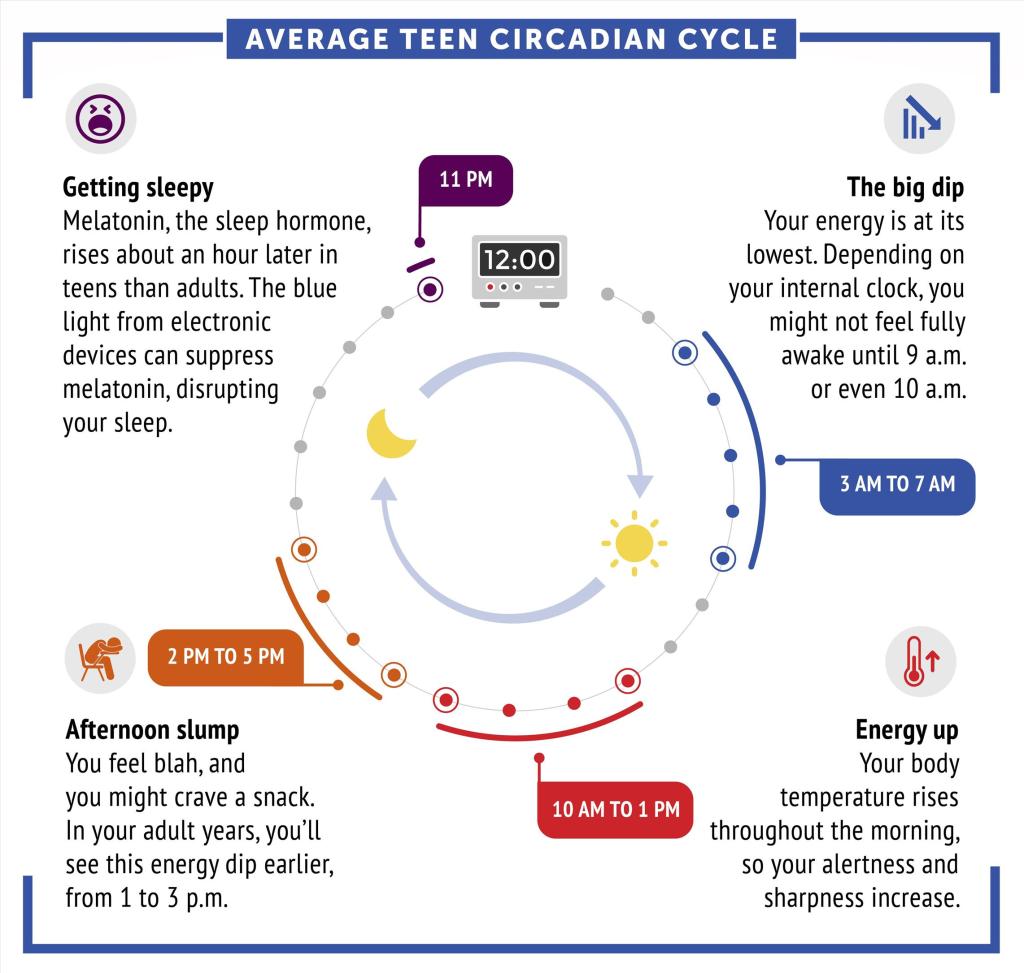
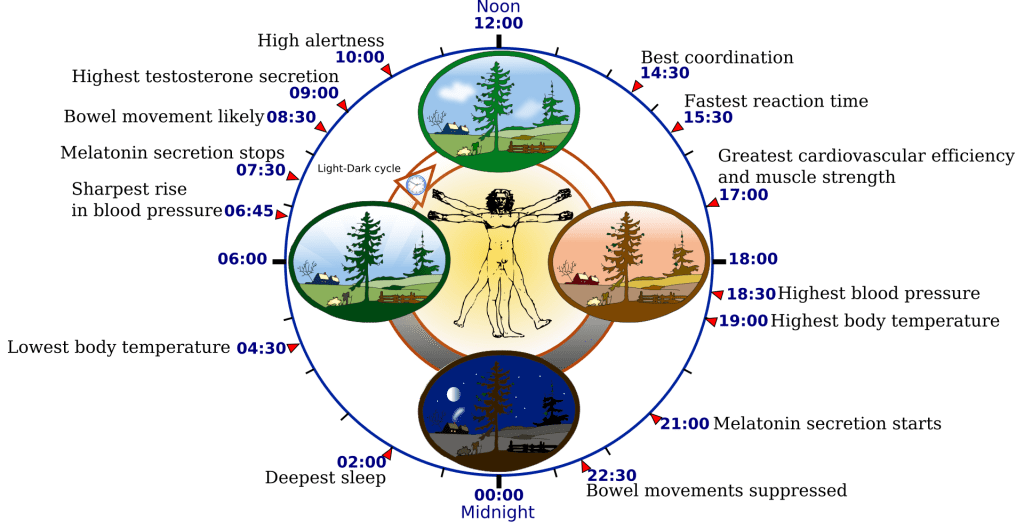
In darkness, melatonin production within the pineal gland is high, then flows through the blood to act on the brain and other tissue receptors to induce a relaxation state, leading to drowsiness. However, when exposed to sunlight, synthesis is suppressed, resulting in the secretion of “wakefulness” hormones instead. So when you are struggling to sleep, it makes sense that taking a small dose of melatonin should help without too many side effects. Or so we thought…
There is actually little evidence as to whether taking melatonin pills improve sleep. It might help for things like jet lag, but for those working a night-shift or treating circadian rhythm sleep disorders, studies are inconclusive. While some swear by its functionality and it is seemingly harmless to try, recent data suggests that the overuse of melatonin can lead to heart failure.
“long-term melatonin supplementation in insomnia was associated with an 89% higher hazard of incident heart failure, a three-fold increase in HF-related hospitalizations, and a doubling of all-cause mortality over 5 years. These findings challenge the perception of melatonin as a benign chronic therapy and underscore the need for randomized trials to clarify its cardiovascular safety profile.”
As with any preliminary studies, it may be a few years before we understand the major details, but it’s definitely worth considering other options to improve your sleep; the simplest of which is cutting out phone time before bed or right when you wake up…
Easier said than done.
 Grads Gone Rogue
Leave a comment