Science, Hype, and Everything In Between
Mary Cundiff, Ph.D.
July 2026
(7 Minutes)
“What are your thoughts on peptides?”
I was asked this question recently. And, as a biologist, I was genuinely confused.
A peptide is simply a short chain of amino acids. It’s like asking, “What are your thoughts on DNA?” I love it. It’s beautifully designed. Made up of seemingly endless combinations of four bases. The code of life. I could go on.
The recent discussion around peptides has largely been driven by the GLP-1 movement. But how did we get from diabetes medications like Ozempic and Wegovy to people purchasing injectable peptides online and giving themselves weekly injections at home.
Biochemically, what is a peptide?
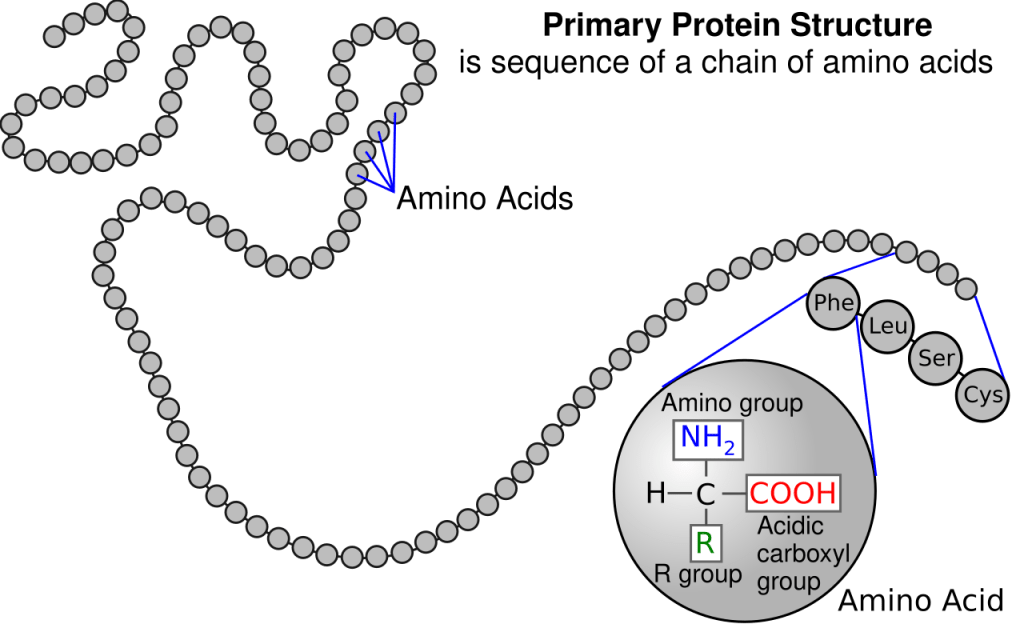
Like I said, peptides are simply short chains of amino acids (shorthanded as “aa”). Anything longer than about 10 amino acids is often called a polypeptide, while much longer chains become proteins (Figure 1). At what point does a peptide officially become a protein? Your guess is as good as mine. There isn’t a universally accepted cutoff, but somewhere around 50–100 amino acids is commonly used. Interestingly, many naturally occurring signaling peptides in the human body are only around 20 amino acids long.
There are 20 standard amino acids used to build proteins in the human body (Figure 2). Based on an mRNA sequence copied from your DNA, one amino acid is added for every three nucleotides read. The details aren’t important here, but if you’d like a refresher on how proteins are made, check out my previous article.
With no practical limit to how many different peptide sequences can exist, the possibilities are enormous. A peptide only 10 amino acids long has over 10 trillion possible combinations. So when someone asks me, “What are your thoughts on peptides?”, you can appreciate why that’s such a difficult question to answer.
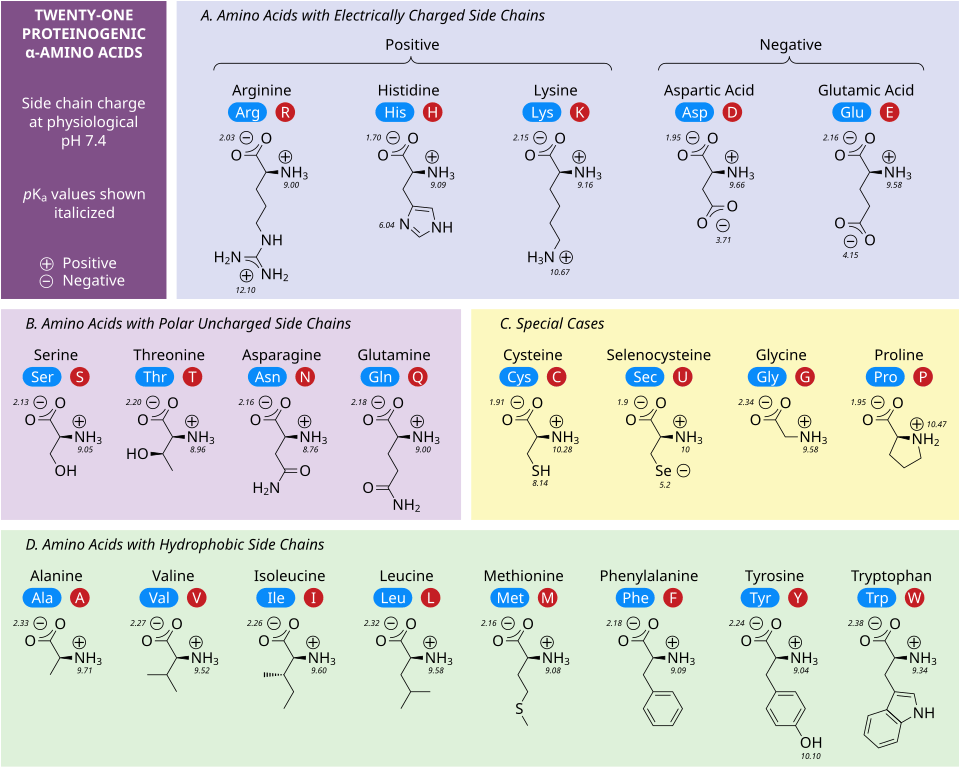
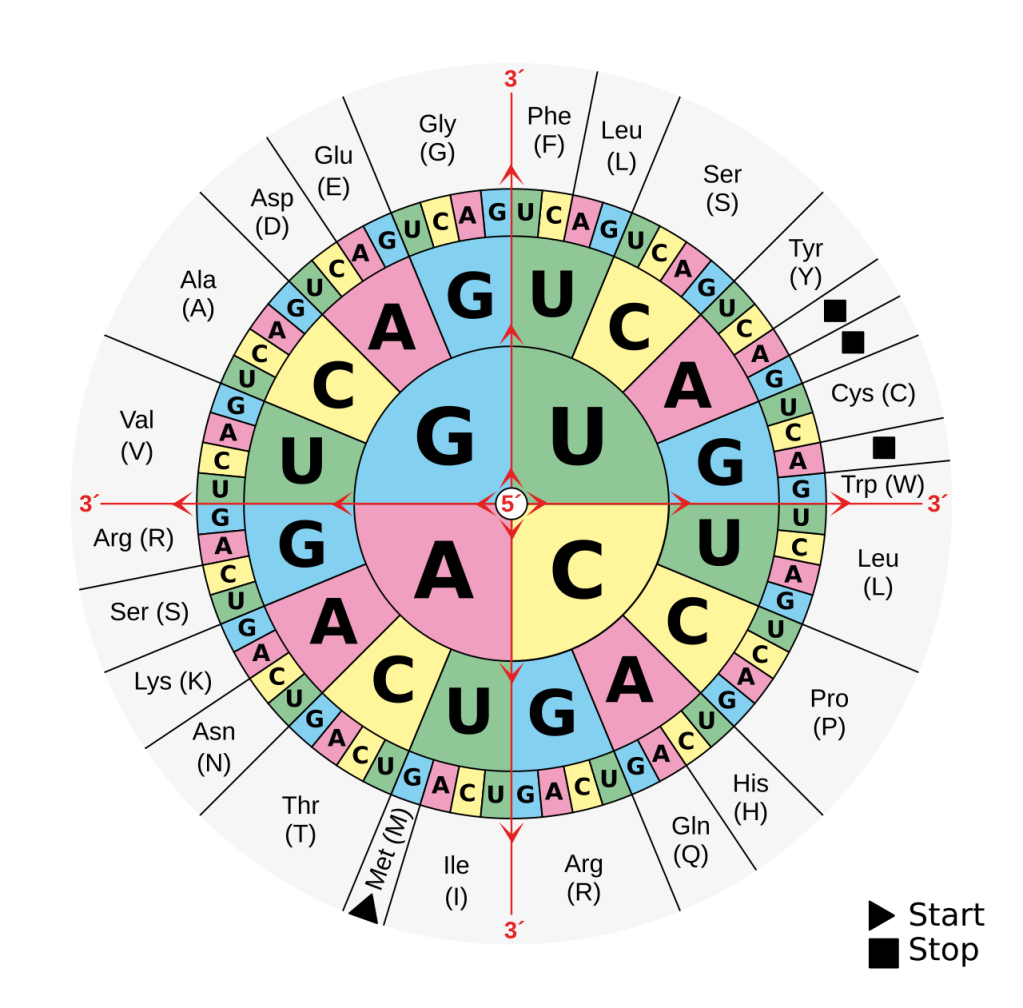
Figure 2. Amino Acids; Anyone who has had the pleasure of taking a biochemistry course knows this figure well and may even feel a little PTSD from having to memorize these structures. But nothing will compare to the pain of studying human metabolism…; from Wikipedia
A short history of peptides as medicine
Although peptides suddenly seem like the newest trend in medicine, peptide therapeutics are anything but new.
Insulin has been saving lives since the 1920s. It’s a peptide produced when the larger protein proinsulin is cleaved inside the pancreas. Glucagon is another peptide hormone that raises blood sugar by triggering the release of stored glucose from the liver and is commonly used as an emergency treatment for severe hypoglycemia. Peptide drugs have been part of modern medicine for over a century.
The peptide that changed everything, however, was GLP-1.
Researchers first identified GLP-1 in the 1980s after discovering that it stimulates insulin release when blood sugar rises. The first FDA-approved GLP-1 drug, Byetta, arrived in 2005 to treat type 2 diabetes. It worked well, but required twice-daily injections. Throughout the 2010s, longer-lasting versions followed, including Ozempic and the oral formulation Rybelsus. They were highly effective diabetes medications, but they were still viewed primarily as diabetes medications. Read more about the “Ozempi-demic” in Dr. Boothman’s article.
Everything changed in 2021 when Wegovy became the first GLP-1 drug approved specifically for obesity. Patients in clinical trials lost roughly 15% of their body weight, ushering in a completely new era of obesity treatment.
Then social media happened.
A few celebrity endorsements, countless TikToks, and suddenly GLP-1 drugs became household names. Before Ozempic, injectable medications were largely associated with insulin, fertility treatments, or other specialty therapies. After Ozempic, weekly injections became mainstream.
Demand exploded almost overnight, leading to nationwide shortages of Ozempic and Wegovy. Those shortages created temporary legal pathways that allowed compounding pharmacies to prepare medications containing the same active ingredients, semaglutide and later tirzepatide, for patients who couldn’t access the commercial products. That shortage period became a major catalyst for the rapid expansion of today’s peptide marketplace.
It also created a new business model.
“The public is now comfortable with injectable medicine, telehealth visits, and monthly subscriptions… what else can we provide?”
Suddenly, clinics that had built practices around GLP-1 therapy began expanding their menus. Alongside semaglutide and tirzepatide came familiar names from the anti-aging and bodybuilding worlds: BPC-157, TB-500, Sermorelin, Ipamorelin, glutathione, vitamin injections, NAD+, and many others. They fit the same delivery model and appealed to a similar audience, even though the scientific evidence supporting many of these therapies is far more limited.
Wait… weren’t people already injecting peptides?
Yes.
Long before Ozempic, anti-aging clinics, bodybuilding communities, and biohackers had already been experimenting with injectable peptides. Compounds such as BPC-157, CJC-1295, GHRP-2, GHRP-6, TB-500, Sermorelin, and Ipamorelin circulated for decades through a regulatory gray market.
Many were sold as “Research Use Only” (RUO) with labels stating “Not for human consumption.” Because these products were marketed as laboratory reagents rather than medications, manufacturers were generally not required to demonstrate safety or efficacy through clinical trials. The global center for custom peptide synthesis became China; not because the peptides were uniquely Chinese, but because the country developed enormous manufacturing capacity for research peptides at relatively low cost. That’s why you’ve probably heard the phrase “Chinese peptides.”
Enter compounding pharmacies
Compounding pharmacies are legitimate pharmacies that prepare customized medications for individual patients. Historically, they’ve filled important roles by creating allergy-friendly formulations, adjusting doses, or helping alleviate drug shortages.
As peptide therapies became more popular, some clinics began prescribing compounded versions of growth hormone, fertility, and anti-aging peptides, giving patients access through medical providers instead of underground websites.
The regulations surrounding compounded peptides, however, are complicated. Under FDA Section 503A (FD&C Act), compounded medications generally must use ingredients that are components of FDA-approved drugs, appear on the FDA’s approved “Bulks List”, or comply with United States Pharmacopeia (USP) or National Formulary (NF) standards. This is where much of today’s debate lives. While GLP-1 drugs like semaglutide and tirzepatide are FDA-approved medications, many of the peptides marketed for anti-aging or performance enhancement are not. Determining which compounds can legally be compounded, and under what circumstances, has become an increasingly contested area of regulation.
As shortages of GLP-1 drugs have eased, the FDA has begun narrowing those temporary compounding allowances, leading to many of the legal disputes currently playing out.
Beyond weight loss
Regardless of the social media frenzy, GLP-1 drugs have proven to be remarkable medicines. Beyond diabetes and obesity, researchers are investigating potential benefits for cardiovascular disease, kidney disease, addiction, depression, and even traumatic brain injury.
As Dr. Richard DiMarchi, one of the pioneers behind GLP-1 therapies, recently remarked:
“What we’ve come to realize is that many diseases may share the same root causes, even though we label them and treat them as distinct.”
A final thought
As the popularity of peptide therapy continues to grow, it’s worth remembering that not all peptides are created equal. Peptides themselves are not inherently “good” or “bad”—in fact, they represent one of the most promising frontiers in modern medicine. Nearly 100 peptide drugs have already earned FDA approval, including insulin, oxytocin, human growth hormone, and the GLP-1 medications that transformed obesity treatment. Hundreds more are currently being studied in clinical trials, and there is every reason to believe many additional peptide-based medicines will eventually prove both safe and effective.
The challenge is that today’s commercial peptide market has expanded far faster than the science. While compounds such as semaglutide and tirzepatide have been evaluated in large clinical trials involving tens of thousands of patients, many of the peptides now promoted by wellness clinics and social media have little or no comparable human evidence. Some, like BPC-157, have generated intriguing results in rodents, but human studies remain extremely limited, with no robust long-term safety data. Others are marketed as “stacks” of multiple peptides that have never been formally tested together in humans.
None of this means these compounds will ultimately prove ineffective—some may become tomorrow’s FDA-approved medicines. But until that evidence exists, it’s important to distinguish scientific promise from scientific proof. The success of GLP-1 drugs is a testament to what decades of rigorous research, carefully conducted clinical trials, and regulatory oversight can accomplish. As enthusiasm for peptide therapy continues to grow, maintaining that same commitment to evidence will be essential for separating truly transformative therapies from those that simply sound promising.
 Grads Gone Rogue
Leave a comment