
Aru Gupta, Ph.D.
October 2026
(6 Minutes)
We are almost at the edge of Winter, and rapidly approaching respiratory virus season. While last year’s flu season was unusually harsh, we are also expecting to see a peak in COVID related hospitalizations as people continue to disengage from masking and other preventive measures. Not to forget, RSV is also expected to send about 20% of infected infants to the hospital despite availability of vaccines and monoclonal antibodies… because we live in a world that now distrusts modern medicine. So, for this issue, apart from discussing infection prevention measures we can adopt to keep ourselves safe, I have also decided to talk about current accountability protocols that we practice in hospitals to keep everyone safe.
Many years ago, when I was a tiny baby, no, a fetus in the world of research, I interned at a teaching hospital in southern India. I used to write a personal blog back then, and for some reason, today I decided to go through my old blog and found an article I had written on proper hand hygiene in 2013. The blog no longer exists in the wilderness of the internet, but the information in that post was pretty useful. So I decided to repurpose some of it for this article.
Remember that this was in the early 2010’s, long before social distancing and infection prevention became mainstream topics in the COVID era. I don’t recall us having mandatory annual trainings on bloodborne pathogens and infection control back then. Maybe the patient-facing people did, but as research interns we weren’t given any specific instructions. My first week at the hospital was spent in constant fear of exposure. The manufacturers of Lifebuoy soap and Dettol liquid antiseptic probably had a greater turnover that fiscal year because of me. It’s been over 12 years now, so I don’t know about the current protocols followed there anymore, but I have worked in multiple hospital systems since then and I am happy to report that ever since 2020, there have been vast improvements in continued trainings and education in proper infection control.
In my first journal club meeting at that hospital in India, I remember an Infectious Diseases Fellow presented a rather alarming study. I no longer remember the title or journal, or I would link it here, but the study was unforgettable because it showed that about 20% of health care workers did not know the steps for proper hand hygiene. It is my ardent hope that things have changed for the better since the study was published, but according to that paper, only about 50% of the respondents who knew the correct steps of good hand hygiene actually practiced it in non-sterile settings. In short, while they scrubbed properly for settings that required sterility—like in the OR, they often skipped proper hand hygiene in high patient volume areas like the ER where sterility was not a concern. Scary, I know.
I truly believe we have become better and more vigilant since then. Those of us who work in hospitals, even if we don’t interact with patients, now have to undergo mandatory annual testing to prove we know how to minimize exposure and spread of infection. We are required to keep our nails short and bare; we have to use sanitizer or soap and water to clean our hands multiple times a day. So I think we have learnt from our past mistakes. Accountability and constant messaging keeps us from getting complacent. But what about those who do not work in hospitals? We used face masks and practiced social distancing when we were scared for our lives back in 2020. But over 6 years later, many people scoff at the idea of masking in public. While those of us in hospitals still wear masks to keep our vulnerable patients safe, we get coughed on by phlegmy members of the public out and about without a care for their compatriots. “It’s just a cold, how bad could it be,” right? Tell that to the millions who died of COVID in 2020-2023.
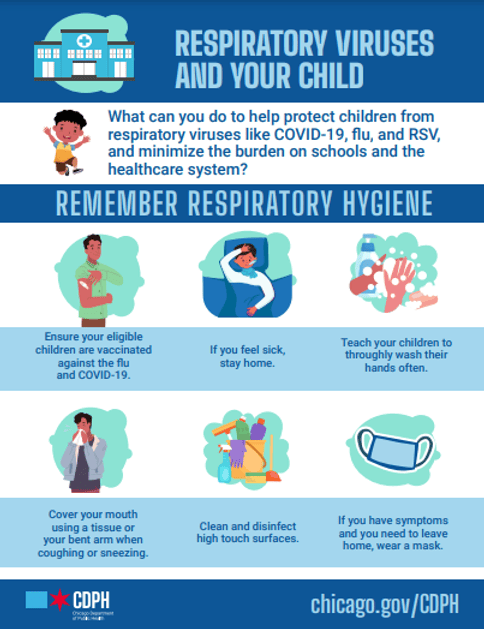
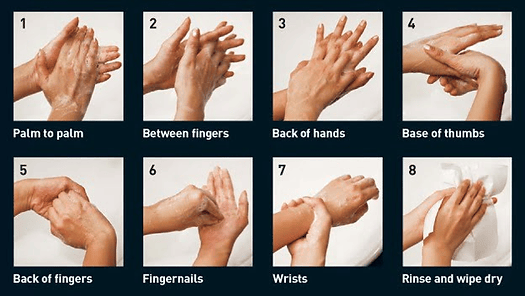
So, keeping that in mind, since it’s respiratory virus season and everyone (including me) is sporting a cold, let me remind you of good hygiene practices this season. When you cough or sneeze, remember to use a tissue, the crook of your elbow, or if all else fails, your hands, to cover your mouth. And wash your hands after. As for proper handwash technique, use warm/room temperature (not HOT) water to wet your hands, then apply soap and rub all exposed surfaces of your hands (including the space between the fingers!) Make sure to wash all surfaces on your hands for 20 seconds, then rinse with water and dry with a clean towel. Blower style hand dryers just spray toilet germs back to your hands (read more here), so avoid those. If your hands are not visibly dirty, you can sanitize with an alcohol rub by ensuring you rub the areas of your hands in the following order: palm to palm, palm to back of the hands, interlacing fingers, interlocking fingers, thumbs (yes, both thumbs), tips and creases, and finally, wrists. Those who don’t bother with such trivial things like washing hands even after the horrors of COVID, (men, I am looking at you) please, please, do. You might have the constitution of an ox, but even oxen have been known to get mad cow disease!*
Masking in public and proper handwashing are known measures to prevent the spread of infection. Proper ventilation and adequate humidity are also important to keep respiratory infections in check. In other words, wear a mask, use air purifiers/filters, and crack open windows when in crowded indoor areas. Schools and daycare that have HEPA air filtration systems report lower cases of respiratory illness among students. Additionally, when humidity is above 40%, the cells in your lungs are able to better produce and clear mucus, acting as one of the first physical immune barriers against airborne germs. Also, it’s time to schedule your annual Flu and COVID shots. Remember, to use protection this coughing season!
*PS: A note in biology. Mad cow disease or Bovine Spongiform Encephalopathy (BSE), is caused by prions and not by any organism. That was an attempt at a cow joke, which unfortunately did not stand—much like the cattle affected by BSE.
You can read more about respiratory viruses and their current trends at the following reliable websites:
https://vaxintegrity.cidrap.umn.edu/2026-27-respiratory-season
https://www.lung.org/blog/respiratory-virus-season-prevention


Leave a Reply